
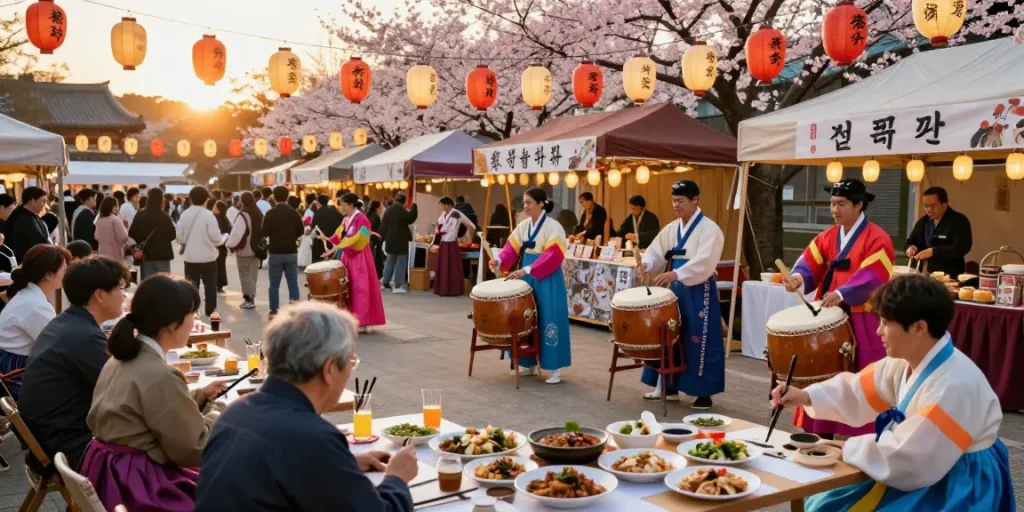
Introduction to Asian Cultural Experiences
Asia is a continent rich in history and tradition, offering a diverse tapestry of cultural experiences that are both captivating and enlightening. As globalization bridges the gap between different parts of the world, interest in Asian cultures, particularly among Spanish speakers, is on the rise. Platforms like https://hanadultalk.com play a crucial role in facilitating access to quality content that celebrates this vibrant diversity. By diving into the unique traditions, languages, and festivals of Asia, individuals can broaden their cultural horizons and gain a deeper appreciation for the intricacies of Asian life.
Overview of Asian Traditions
Asia encompasses a vast range of traditions that differ significantly across regions. From the ancient practices of Chinese philosophy, including Confucianism and Taoism, to the vibrant rituals of Thai Buddhism, each tradition carries its own significance. The celebration of family values, respect for elders, and the importance of community are common threads that can be found in many Asian cultures. Moreover, traditional arts like calligraphy, martial arts, and various forms of dance showcase the rich heritage that has been passed down through generations.
The Importance of Language in Cultural Appreciation
Language serves as a powerful tool for cultural expression and understanding. For Spanish speakers interested in Asian cultures, learning the local languages—such as Mandarin, Japanese, or Korean—can enhance the experience of engaging with these cultures. The nuances of language offer insights into the values, humor, and traditions of its speakers. As such, bilingual platforms that share Asian content in Spanish present an invaluable resource for learners, facilitating deeper connections with the content and the culture.
Role of Festivals in Bridging Cultures
Festivals are among the most vibrant expressions of cultural heritage in Asia. Events like Diwali in India, Chinese New Year, and the Obon Festival in Japan provide not only a glimpse into the traditions and values of these cultures but also an opportunity for cultural exchange. Through these celebrations, participants can experience the food, music, and art that define each culture, fostering a sense of appreciation and understanding across borders.
Exploring Asian Cuisine at https://hanadultalk.com
Asian cuisine is as diverse as the cultures it represents. With different regional flavors and cooking techniques, the culinary traditions of Asia are a feast for the senses. Exploring these dishes is not just about taste; it’s also about understanding the cultural significance behind them. From the aromatic spices of Indian curries to the delicate flavors of Japanese sushi, each dish tells a story. By delving into the culinary traditions featured on platforms like https://hanadultalk.com, enthusiasts can gain insights into the cultural practices surrounding food preparation and consumption.
Diverse Culinary Traditions Across Asia
Asia boasts a multitude of culinary styles, each unique to its region. For instance, Southeast Asia is known for its fresh herbs and bold flavors, while East Asian cuisine often emphasizes balance and umami. Indian cuisine, renowned for its spicy dishes, often incorporates various cooking methods and a wide variety of grains. As food globalization continues, many people are eager to recreate these authentic flavors in their own kitchens, leading to the rise of fusion cuisine.
Popular Dishes and Their Cultural Significance
Each Asian dish carries its own history and cultural importance. Dishes like Pho in Vietnam, Kimchi in Korea, and Sushi in Japan reflect the geographical and historical context of their origins. Understanding the cultural significance of these foods enhances the dining experience, revealing the traditions that surround their preparation and consumption. Learning about the stories behind these foods can inspire culinary enthusiasts to explore new techniques in their own cooking.
Health Benefits of Asian Foods
Beyond their delicious flavors, many Asian dishes offer significant health benefits. Ingredients like ginger, garlic, and various greens have been known for their medicinal properties for centuries. For example, traditional Chinese medicine emphasizes balance in diet, often incorporating seasonal vegetables that are known to enhance health. Exploring the nutritional aspects of Asian cuisine can lead to healthier eating habits and awareness of food choices.
Connecting with the Community
Asian culture enthusiasts are increasingly finding ways to connect with one another, fostering communities that transcend geographical boundaries. Through platforms that offer shared interests in language, food, and cultural practices, individuals can engage meaningfully with like-minded peers. These connections play a vital role in creating a supportive environment for cultural exchange and appreciation.
Engagement Through Language Learning
Language learning has become a pivotal means of connecting with Asian cultures. Platforms emphasizing bilingual interactions offer learners a chance to practice language skills while exploring cultural topics. For example, participating in language exchange groups or online forums can provide opportunities to converse with native speakers, enhancing both language proficiency and cultural understanding.
Social Media and Cultural Exchange
Social media platforms have become a powerful tool for cultural exchange, allowing users to share their experiences, recipes, and cultural events with a global audience. Hashtags related to Asian cultures have emerged as a way for users to discover and engage with content that resonates with them. This not only promotes cultural appreciation but also encourages collaboration among content creators from different backgrounds.
Building Networks Among Culture Enthusiasts
Fostering a sense of community among Asian culture enthusiasts can lead to the establishment of networks that support cultural education and exchange. Virtual meetups, workshops, and cultural festivals organized online allow individuals to connect regardless of their geographic locations. These communities provide a platform for sharing experiences, resources, and insights into various aspects of Asian cultures.
Understanding Pop Culture Trends
The influence of Asian pop culture has soared in recent years, with phenomena such as K-Pop and J-Pop leading the charge. This cultural wave has garnered a massive following worldwide, significantly impacting music, fashion, and entertainment industries. Understanding these trends can help enthusiasts appreciate the cultural significance behind them and how they shape societal norms.
Current Trends in Asian Pop Culture
Asian pop culture encompasses a range of mediums, including music, television, and film. K-Pop groups like BTS and BLACKPINK have not only topped charts globally but have also significantly influenced fashion trends and social behaviors. Similarly, Japanese anime and manga have cultivated a devoted following, inspiring an array of merchandise and fan conventions. Keeping up with these trends allows fans to participate more fully in the cultural conversations surrounding them.
The Influence of K-Pop and J-Pop
K-Pop and J-Pop serve as cultural ambassadors, showcasing the unique aspects of their respective cultures while promoting themes of youth empowerment, identity, and community. The music videos often integrate storytelling with high production value, creating an immersive experience for viewers. As these genres continue to gain popularity, they also open doors for further exploration into the cultures they represent.
Impact of Asian Cinema and Television
Asian cinema has made significant strides in global recognition, with films like “Parasite” and series like “Squid Game” challenging the traditional narratives of Hollywood. These productions offer a lens into social issues, familial dynamics, and cultural nuances particular to their regions, allowing viewers an engaging way to understand and appreciate diverse perspectives.
Future Trends and Innovations in Cultural Exchange
The future of cultural exchange is promising with the continuous evolution of technology and social dynamics. Innovations in virtual reality (VR) and augmented reality (AR) are paving the way for immersive cultural experiences that can transport individuals into different cultural environments without leaving their homes. As cultural exchange platforms continue to adapt to these technologies, the opportunities for engagement will only expand.
Virtual Reality and Cultural Experiences
Virtual reality offers unique opportunities to experience cultural immersion through guided tours, interactive experiences, and even cooking classes from different cultures. As technology becomes more accessible, individuals can engage with cultures worldwide, fostering a deeper understanding of different ways of life and thought processes.
Predictions for Cultural Engagement in 2026
As we look toward 2026, cultural engagement is expected to become more personalized, leveraging data analytics to tailor experiences that resonate with individual interests. The rise of AI-driven platforms may lead to more curated content that matches users’ preferences, enhancing their cultural exploration journey.
New Platforms for Cross-Cultural Learning
The development of new platforms dedicated to cross-cultural learning reflects a growing interest in globalization and multiculturalism. These platforms may include features such as language exchanges, cultural workshops, and collaborative projects that allow users to engage creatively with different cultures. The evolution of these platforms will create enriched learning environments that foster appreciation and respect for cultural diversity.
How Can I Immerse Myself in Asian Culture?
Immersion in Asian culture can occur through various means, including travel, language learning, and community participation. Engaging in local cultural events, exploring cuisine, and connecting with Asian communities can all enhance understanding and appreciation.
What Are the Best Resources for Learning about Asian Cuisine?
Resources such as cookbooks, food blogs, and YouTube channels dedicated to Asian cooking can provide valuable insights into culinary traditions. Websites like https://hanadultalk.com offer a wealth of information on Asian cuisine, including recipes, cultural significance, and health benefits.
How Is Pop Culture Influencing Asian Communities Globally?
The impact of global pop culture on Asian communities is profound, shaping identity, social behaviors, and cultural production. As Asian artists gain worldwide recognition, they inspire new generations to explore their cultural heritage while embracing global trends.
What Role Does Language Play in Cultural Understanding?
Language acts as a bridge that connects people from different cultures. Learning a new language can enhance one’s understanding of cultural contexts and nuances, fostering empathy and appreciation for diverse perspectives.
How Can I Participate in Cultural Festivals?
Participating in cultural festivals can be an enriching way to experience and celebrate diverse cultures. Local community centers, cultural organizations, and online platforms often provide opportunities to engage with festivals through volunteering, attending events, or simply enjoying the festivities.