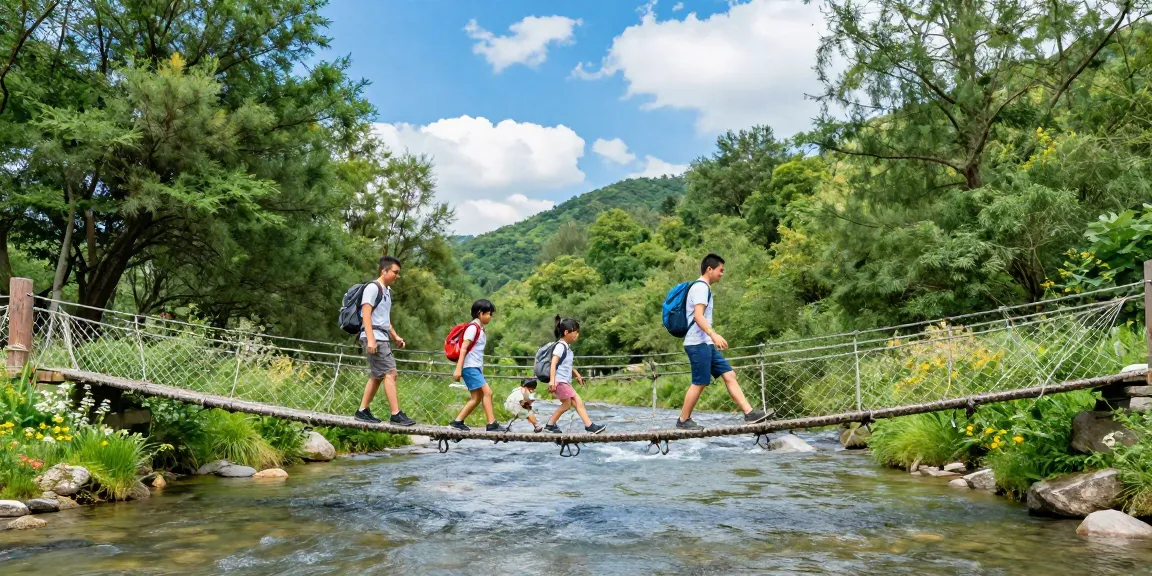
Understanding the Appeal of River Rope Bridges
For adventurers and nature lovers alike, a River Rope Bridge represents not just a means of crossing a waterway, but a glimpse into the enchanting interplay between engineering and the great outdoors. These bridges capture the imagination with their rustic charm and functional design, allowing for immersive experiences in various landscapes. Whether it’s a tranquil river setting or a rugged mountain gorge, the allure of traversing a rope bridge is both captivating and exhilarating.
What is a River Rope Bridge?
A river rope bridge is a type of suspension bridge that is primarily made from sturdy ropes, cables, and wooden planks, designed to span a river or a gorge. These bridges are engineered to allow foot traffic and, in some cases, light vehicles to cross safely. While they may appear delicate, modern rope bridges are constructed using materials that provide significant strength and durability, ensuring they can withstand considerable load while offering a thrilling crossing experience.
Historical Significance of Rope Bridges
Rope bridges have a rich history, with many cultures around the world employing various forms of these structures for centuries. Notably, the Incan civilization crafted intricate rope bridges made from grass that spanned vast chasms across the Andes. These bridges not only facilitated trade and travel but also served as an emblem of engineering ingenuity. Today, while modern materials have replaced traditional grass, the fundamental principles remain unchanged, highlighting the enduring legacy of rope bridges in connecting communities with their environments.
Benefits of Building a River Rope Bridge
- Enhanced Accessibility: Rope bridges provide essential access to remote areas, allowing hikers, campers, and wildlife enthusiasts to explore otherwise unreachable sections of nature.
- Minimal Environmental Impact: Compared to traditional bridges, rope bridges often require less disruptive construction processes, which helps to preserve the surrounding flora and fauna.
- Adventure and Recreation: These bridges add an element of excitement to outdoor adventures, making them popular attractions for recreationalists seeking unique experiences.
- Cost-Effective Solutions: Building a rope bridge can be less expensive than erecting a conventional structure, making it an attractive option for municipalities and private landowners.
Planning Your River Rope Bridge Project
When embarking on the journey of constructing a river rope bridge, careful planning is crucial to ensure safety, sustainability, and functionality. Understanding the various aspects of the project will help in creating a bridge that meets your needs and complements the natural landscape.
Key Considerations Before Building
Prior to commencing construction, it's essential to assess several factors. The location is paramount; identifying a site that not only meets engineering requirements but also aligns with the aesthetic desires of the project will help ensure a successful outcome. Additionally, it is crucial to evaluate the river conditions, including water flow and seasonal changes, which might impact the stability of the bridge.
Selecting the Right Materials for Durability
Choosing the right materials is fundamental in ensuring the longevity and safety of a river rope bridge. Traditional materials like hemp or sisal ropes have been used historically, but advancements in technology now allow for synthetic options such as polyester or nylon, which can offer enhanced durability and weather resistance. Incorporating treated wood or composite materials for the flooring will also contribute to the bridge's overall lifespan and user safety.
Planning the Location and Design
The design of the bridge should be tailored to its intended use and surrounding environment. A thorough survey of the area will help in designing the bridge's span and height, ensuring it meets safety regulations while also enhancing the scenic views for users. Moreover, consulting with structural engineers or professionals who specialize in bridge construction can provide insights into best practices and innovative design solutions.
Cost Analysis: Is a River Rope Bridge Worth the Investment?
Investing in a river rope bridge requires careful consideration of costs, both upfront and long-term. Evaluating the potential benefits against the financial outlay can aid in making an informed decision on whether to proceed.
Budgeting for Construction and Maintenance
The overall cost of constructing a river rope bridge can vary widely based on size, materials, and location. Initial costs typically include design fees, permitting, and materials, while ongoing maintenance must also be factored in. Regular inspections and repairs are essential for preserving safety and functionality, so budgeting for these aspects is crucial.
Estimating Long-Term Benefits
While the initial investment of a river rope bridge might seem steep, the long-term benefits often outweigh the costs. Increased accessibility to natural areas can boost local tourism, enhance property value, and provide recreational opportunities for the community. Furthermore, the aesthetic appeal of a well-constructed rope bridge can enhance the natural beauty of the landscape, making it a worthwhile investment.
Comparing Costs with Other Bridge Options
When evaluating the costs associated with a river rope bridge, it's essential to compare it with alternative bridge designs. Traditional concrete or steel bridges may require more extensive infrastructure and land preparation, potentially leading to higher overall costs. Therefore, a rope bridge can often emerge as a more cost-efficient solution without compromising safety and functionality.
Safety Measures for River Rope Bridges
Safety is of utmost importance when it comes to river rope bridges. Proper precautions and adherence to safety regulations can mitigate risks and ensure that users enjoy their crossing experience.
Essential Safety Standards and Regulations
Before any construction begins, it’s imperative to review local safety standards and regulations governing bridge construction. This includes load limits, materials specifications, and maintenance guidelines that must be adhered to, such as ensuring the bridge can withstand extreme weather or unexpected loads.
Training for Safe Use of the Bridge
Providing users with training on the safe use of the bridge is another critical aspect of safety. This should include guidelines on weight limits, crossing protocols, and emergency procedures. Ensuring that users are aware of the potential risks associated with crossing a river rope bridge can help prevent accidents.
Regular Maintenance and Inspections
Continuous inspections and maintenance are vital for the upkeep of a river rope bridge. Developing a regular schedule for checks can identify wear and tear before they become critical issues. This includes examining the integrity of the ropes and cables, reinforcing any weak points, and ensuring that all safety features remain functional.
Future Trends in River Rope Bridge Design
The landscape of river rope bridge design is continually evolving, influenced by advances in technology, materials, and environmental considerations. As we look toward 2026 and beyond, several exciting trends are emerging.
Innovative Materials and Techniques for 2026
Future designs are likely to incorporate new materials that enhance resilience and reduce maintenance needs. For instance, the use of carbon fibre and advanced composites can significantly improve strength without adding excessive weight. Additionally, innovative engineering techniques, such as modular designs, may streamline the construction process and reduce costs.
Eco-friendly Practices in Bridge Construction
Increasing environmental awareness has led to a greater focus on sustainable practices in bridge construction. Future projects might emphasise using recycled materials, minimising the ecological footprint during construction, and integrating natural elements into the bridge design to blend it harmoniously with the landscape.
Community Benefits and Engagement with Nature
As river rope bridges become more popular, communities are likely to foster a deeper connection with nature through enhanced access to outdoor spaces. This engagement can lead to increased community activities, educational programs about local ecosystems, and a stronger appreciation for conservation efforts.
What are the main uses of river rope bridges?
River rope bridges serve various purposes, including access for hikers, providing a link between trails, or connecting remote areas. They can also be an integral part of adventure parks or recreational areas, enhancing the overall visitor experience.
How much does it cost to build a river rope bridge?
The cost of building a river rope bridge can vary tremendously based on factors like size, materials, and location. Generally, costs can range from a few thousand to tens of thousands of pounds, depending on complexity and durability requirements.
What safety measures should I take when using a river rope bridge?
Key safety measures include ensuring that all users are aware of weight limits, implementing safe crossing guidelines, and conducting regular inspections to ensure the bridge's integrity.
Where are the best locations for river rope bridges?
The ideal locations for river rope bridges include picturesque landscapes with scenic views, areas with limited access, and locations that complement hiking or adventure activities. Proximity to tourist attractions can also enhance their appeal.
Can a river rope bridge withstand extreme weather conditions?
When constructed with the right materials and engineering techniques, river rope bridges can withstand significant weather conditions. However, regular maintenance and inspections are critical to address any wear that might result from exposure to the elements.