
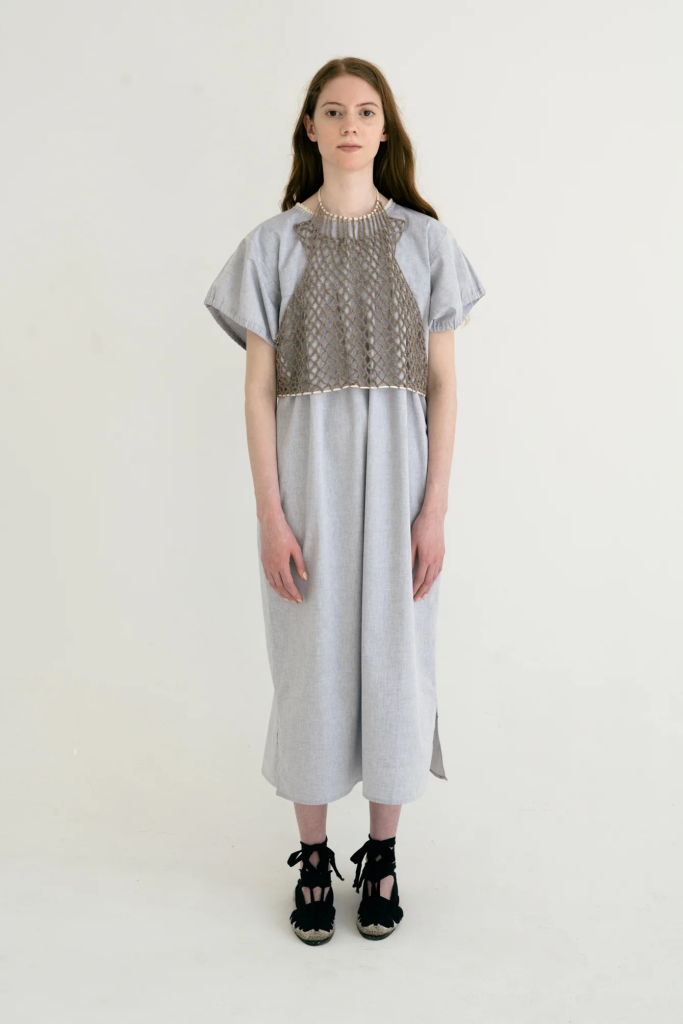
Introduction to Handmade Fashion
Choosing handmade dresses is more than just a fashion decision—it is a lifestyle choice that reflects individuality, craftsmanship, and sustainability. Unlike mass-produced garments, handmade dresses are carefully created by skilled artisans who pay attention to every stitch, fabric choice, and design detail. In today’s fast fashion world, handmade dresses stand out as a symbol of authenticity and slow fashion values. Many fashion lovers now prefer handmade dresses because they offer uniqueness that factory-made clothing cannot match. From boutique collections to artisan marketplaces like Etsy, the demand for handmade dresses continues to grow globally.
Why handmade dresses Are Becoming Popular
Unique Design Identity
One of the biggest reasons people choose handmade dresses is individuality. Every piece is slightly different, making the wearer feel special. Designers often experiment with cultural patterns, embroidery styles, and fabrics, ensuring that handmade dresses never feel repetitive.
Sustainable Fashion Choice
Sustainability is a major driver behind the rise of handmade dresses. Unlike mass production, handmade production reduces waste and supports eco-friendly practices. Many artisans use organic cotton, linen, and recycled fabrics, making handmade dresses an environmentally responsible choice.
Support for Local Artisans
Buying handmade dresses directly supports small businesses and independent designers. This helps preserve traditional craftsmanship and empowers local communities across regions like South Asia, Europe, and Latin America.
Key Benefits of handmade dresses
1. Superior Quality and Craftsmanship
The craftsmanship behind handmade dresses ensures higher quality compared to machine-made clothing. Every seam is carefully stitched, and every detail is manually inspected. This results in durable clothing that lasts longer.
2. Perfect Custom Fit
Unlike standard sizing in retail fashion, handmade dresses can often be customized. Tailors adjust measurements based on body shape, ensuring a perfect fit that enhances comfort and confidence.
3. Emotional and Artistic Value
Each piece of handmade dresses carries a story. Whether it’s inspired by cultural heritage or modern aesthetics, these dresses represent artistic expression rather than mass production.
4. Ethical Fashion Statement
Wearing handmade dresses is also a statement against fast fashion exploitation. It promotes fair wages, ethical labor practices, and responsible production methods.
Materials and Techniques Used in handmade dresses
Natural Fabrics
Most handmade dresses are created using natural fabrics like cotton, silk, chiffon, and linen. These materials not only feel luxurious but are also breathable and skin-friendly.
Embroidery and Handwork
Traditional techniques such as embroidery, beadwork, and hand painting are commonly used in handmade dresses. These methods add cultural richness and artistic depth to every outfit.
Modern Fusion Designs
Today’s designers are blending modern fashion trends with traditional craftsmanship. This fusion makes handmade dresses suitable for both casual wear and formal occasions.
handmade dresses in the Global Fashion Market
The global demand for handmade dresses has increased significantly due to rising awareness of sustainable fashion. Online platforms like Etsy and boutique fashion stores have made it easier for customers to access unique pieces from around the world.
Social media platforms such as Instagram and Pinterest also play a huge role in promoting handmade dresses, allowing small designers to reach international audiences.
How to Style handmade dresses
Casual Styling
Pair handmade dresses with simple sandals or sneakers for a relaxed, everyday look. Minimal accessories keep the outfit balanced and elegant.
Formal Styling
For formal events, handmade dresses can be paired with heels, statement jewelry, and structured handbags to enhance sophistication.
Seasonal Styling
Light cotton handmade dresses are perfect for summer, while wool or layered fabrics work well in winter. This versatility makes them suitable year-round.
Challenges in Handmade Dress Production
Although handmade dresses are highly valuable, they do come with challenges. Production takes more time, and prices are often higher than mass-produced clothing. However, customers increasingly accept these factors due to the quality and uniqueness offered.
Future of handmade dresses in Fashion
The future of handmade dresses looks promising as consumers shift toward ethical and sustainable fashion. With AI-driven personalization and digital marketplaces, artisans can now reach global customers more efficiently than ever before.
FAQs About handmade dresses
1. Why are handmade dresses more expensive?
Because handmade dresses require skilled labor, time, and high-quality materials, their cost is higher than factory-made clothing.
2. Are handmade dresses durable?
Yes, handmade dresses are often more durable because they are carefully stitched and made with premium fabrics.
3. Can handmade dresses be customized?
Many designers offer customization options for handmade dresses, including size, color, and design adjustments.
4. Where can I buy handmade dresses online?
Platforms like Etsy and boutique fashion websites are popular places to find handmade dresses.
5. Are handmade dresses eco-friendly?
Yes, most handmade dresses use sustainable materials and ethical production methods, making them eco-friendly.
OUND – Handmade Knits, Dresses & Essentials in Natural Fibers
Contact Website: https://www.ound-ound.com/
Contact Emails:
General Inquiries: [email protected]
Wholesale / Sales: [email protected]