
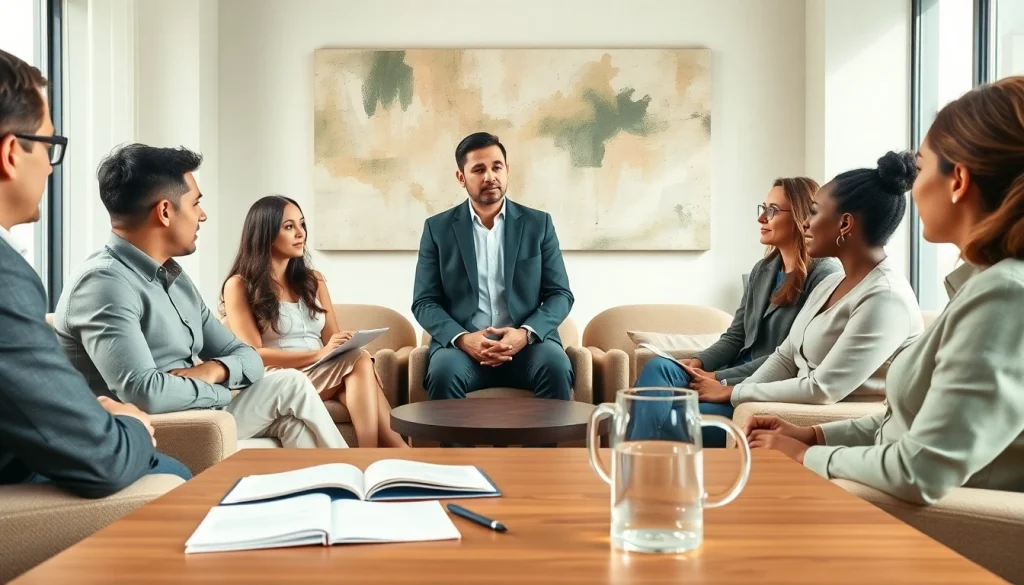
Understanding Mediation
Definition and Purpose of Mediation
Mediation is a structured process designed to help parties in conflict reach a mutually acceptable resolution. This alternative dispute resolution (ADR) method often serves as a peaceful alternative to litigation, allowing individuals to find common ground with the assistance of a neutral third-party mediator. The primary purpose of mediation is to facilitate open communication between disputants, ensuring that each party’s voice is heard and that their respective perspectives are understood. By fostering cooperation and encouraging collaborative brainstorming, mediation aims to solve conflicts amicably, promoting healthier relationships post-resolution.
The Role of a Mediator
A mediator plays a crucial role in the mediation process, acting as an unbiased intermediary who guides discussions and helps maintain a constructive atmosphere. Mediators do not impose solutions or make decisions for the parties; instead, their function is to assist in framing the conversation, identifying key issues, and exploring potential solutions. They employ effective communication techniques to encourage dialogue, facilitate understanding, and assist parties in generating options that may lead to resolution. Importantly, mediators protect the confidentiality of the discussions, ensuring that sensitive information remains undisclosed unless explicitly agreed upon by all involved.
Types of Mediation Processes
There are several types of mediation processes, each tailored to specific needs and contexts. Some of the most common types include:
- Facilitative Mediation: The mediator helps facilitate discussion without offering opinions or solutions, allowing parties to explore their own resolutions.
- Evaluative Mediation: The mediator provides feedback, legal insights, and potential outcomes to guide parties towards a resolution.
- Transformative Mediation: Focuses on empowering the parties involved by fostering recognition and empathy for each other’s perspectives, thereby transforming their relationships.
- Specialized Mediation: Tailored for specific disputes, such as family, commercial, or workplace conflicts, often incorporating relevant legal or contextual frameworks.
Benefits of Mediation
Conflict Resolution Efficiency
Mediation is often lauded for its efficiency in resolving conflicts. Unlike traditional litigation, which can extend over months or even years, mediation sessions typically occur within a few hours or days, allowing for quick resolution to disputes. This speed is not only beneficial for the emotional well-being of the parties involved but also minimizes the burden of prolonged conflict on relationships and workplace dynamics. The active participation in generating solutions further catalyzes the resolution process, as it encourages a sense of ownership among all parties.
Cost-Effectiveness of Mediation
In addition to efficiency, Mediation is significantly more cost-effective than litigation. Legal fees, court costs, and the expenses related to lengthy trials can add up quickly in traditional legal disputes. Mediation generally incurs lower costs as it involves fewer legal formalities and less time spent in resolution operations. Furthermore, by preventing the escalation of disputes, mediation can avert expenses related to damage to relationships, reputational harm, and lost productivity.
Emotional and Psychological Advantages
The emotional and psychological benefits of mediation cannot be overstated. Mediation encourages a collaborative atmosphere that can aid in reducing hostility among disputants. This cooperative environment allows for emotional healing, as individuals express their feelings and grievances in a safe space. Achieving a resolution through mediation often results in improved relationships and communication post-dispute. Participants frequently report higher satisfaction levels than in litigation outcomes, as the outcomes of mediation are typically more aligned with their interests and needs.
Steps in the Mediation Process
Preparation for Mediation
Preparation is vital for a successful mediation process. It involves several proactive steps, including:
- Gathering Documentation: Collect all relevant documents that might pertain to the issues at hand, including contracts, emails, and any prior correspondence.
- Identifying Key Issues: Clearly outline the main points of contention. Understand and be ready to communicate your interests and priorities.
- Setting Objectives: Establish what you want to achieve through mediation. Having clear objectives guides the process and helps focus discussions.
- Engaging in Pre-Mediation Conversations: Discuss intentions and concerns with the mediator in advance to preemptively address issues relating to neutrality or confidentiality.
Conducting the Mediation Session
The mediation session itself is organized and facilitated by the mediator. Typically, the process encompasses the following stages:
- Opening Statements: Each party presents their perspective on the conflict, outlining their objectives and concerns.
- Discussion of Issues: The mediator guides discussions, ensuring that all parties have the opportunity to speak and that their concerns are heard.
- Generating Options: The mediator encourages brainstorming sessions where parties can suggest potential solutions to the conflict.
- Reaching an Agreement: If a consensus is reached, the mediator will help document the agreement, outlining the terms clearly for all parties involved.
Post-Mediation Follow-Up
After the mediation session, follow-up is important to ensure compliance with the agreement reached. Steps may include:
- Documenting the Agreement: Ensure that all terms are clearly written and distributed among the parties.
- Assessing Compliance: Conduct periodic check-ins to see whether parties are adhering to the agreement.
- Continuing Relationships: Encourage ongoing communication between parties to foster a positive relationship moving forward.
Common Challenges in Mediation
Resistance from Participants
Resistance from participants can be a significant challenge in mediation. Parties may be unwilling to engage in dialogue due to entrenched positions or emotional investment in the conflict. Overcoming this resistance requires the mediator to establish a safe and respectful environment where individuals feel comfortable expressing themselves. The mediator may need to employ techniques such as reframing issues or redirecting conversations to mitigate resistance and encourage open dialogue.
Cultural Differences in Communication Styles
Cultural differences can impact communication and the mediation process. Variations in norms, values, and expectations may lead to misunderstandings. To navigate this challenge, mediators should cultivate cultural competence by recognizing diverse communication styles and adapting their approach accordingly. This may involve asking clarifying questions, demonstrating patience, and being mindful of nonverbal cues. Ensuring that parties feel respected and understood can foster a more conducive environment for resolution.
Ensuring Neutrality as a Mediator
Maintaining neutrality is paramount for mediators. Any perceived bias can undermine the trust necessary for successful mediation. To ensure neutrality, mediators need to practice active listening, remain non-judgmental, and avoid taking sides. In addition, establishing ground rules for communication and ensuring that all voices are equally valued can help reinforce a balanced atmosphere. Conducting thorough pre-mediation sessions to understand potential biases and establish boundaries are critical to uphold impartiality.
FAQs About Mediation
What is the duration of a typical mediation session?
A typical mediation session can last from a few hours to a full day, depending on the complexity of the issues discussed.
How do I prepare for mediation?
Preparation involves gathering necessary documents, outlining key issues, and ensuring you approach the session with an open mind.
Is mediation legally binding?
Mediation itself is generally not legally binding unless a formal agreement is reached and signed by all parties.
Can I bring a lawyer to mediation?
Yes, parties may bring legal representatives to provide support and ensure that their legal rights are protected.
What happens if mediation fails?
If mediation fails, parties may seek alternative resolution methods, like arbitration or litigation, to resolve their dispute.